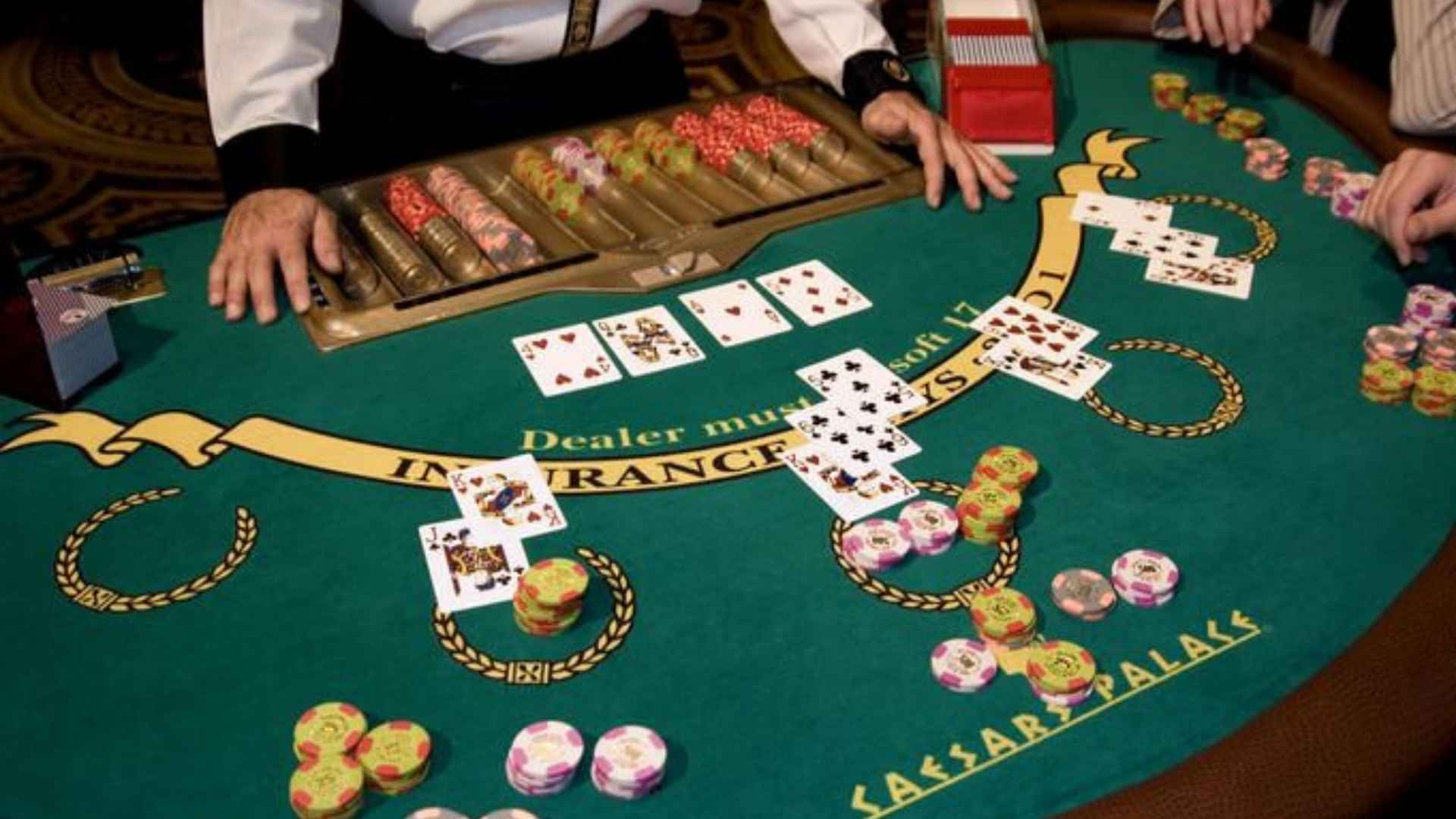
Baccarat stands as one of the most enduring symbols of casino history, bridging the gap between historical European nobility and contemporary digital gaming houses. While many casual players view it as a single cohesive game, a closer inspection reveals a rich tapestry of regional rule sets and structural formats. Each adaptation reflects the unique cultural preferences and strategic philosophies of the eras and locations where they originally flourished.
The European Legacy of Chemin de Fer
Originating in the elegant gaming salons of nineteenth-century France, Chemin de Fer represents a highly active and communal tradition. Unlike standard versions where players remain passive observers, this classic format requires participants to take turns acting as the banker. This specific structural layout introduces a deep layer of psychological strategy, as the banker can make tactical choices based on the cards held by opponents.
This classic format relies heavily on social interaction and formal table rituals, preserving the romanticized allure of early European card games. Because the strategic decisions directly impact the game flow, it remains a favorite for traditional high rollers who prefer skill over pure chance. Engaging with this variant gives modern card players a clear window into the aristocratic history of casino entertainment.
The Streamlined Approach of Punto Banco
As the game migrated across the Atlantic, it underwent a dramatic simplification that gave rise to the modern version known as Punto Banco. In this format, the casino serves as the permanent bank, removing all decision-making responsibilities from the participants at the table. The entire course of play is dictated by rigid, predetermined drawing rules that determine exactly when a third card must be distributed.
This structural change transformed a complex battle of wits into a beautifully efficient game of pure probability. It has become the standard version encountered in North American brick-and-mortar venues and massive digital streaming lobbies globally. For sports fans and card enthusiasts looking to experience this seamless interface, checking out M88 sports offers an excellent gateway into modern digitized setups.
The Strategic Permanence of Baccarat Banque
Another fascinating pillar of continental gaming history is Baccarat Banque, a variation that introduces a more static operational framework. In this version, the highly coveted position of the banker is generally assigned to the player willing to risk the largest financial stake. The designated banker maintains this dominant role throughout the entire shoe unless their allocated funds are completely depleted by the table.
This creates a distinctive competitive dynamic where the remaining participants often collaborate strategically to challenge the bank. The formal layout features two separate sides of the table, adding a dramatic visual component to each round of play. This historic format remains highly popular in traditional European establishments that value endurance and substantial wagering structures.
Modern Scaled Down Innovations
In recent decades, global casinos have introduced compact alternatives like Mini Baccarat to accommodate a broader demographic of everyday enthusiasts. By reducing the physical table size and lowering the minimum betting thresholds, this version successfully democratized a once-exclusive pastime. The faster dealing speed ensures that players can experience a significantly higher volume of rounds in a shorter period.
By removing the strict dress codes and intense formalities of private VIP rooms, these contemporary variations focus entirely on casual accessibility. This evolution highlights how ancient card traditions can fluidly adapt to satisfy the fast-paced demands of modern audiences. Understanding these distinct formats allows players to truly appreciate the historical journey of this magnificent casino favorite.